A monastery pouring out of a cliff cave, villages that winter behind two frozen passes, and a river that becomes the highway when it freezes: Zanskar stayed medieval because getting there was the hard part. The new road over Shinku La just changed that, and this is the guide for the window in between.
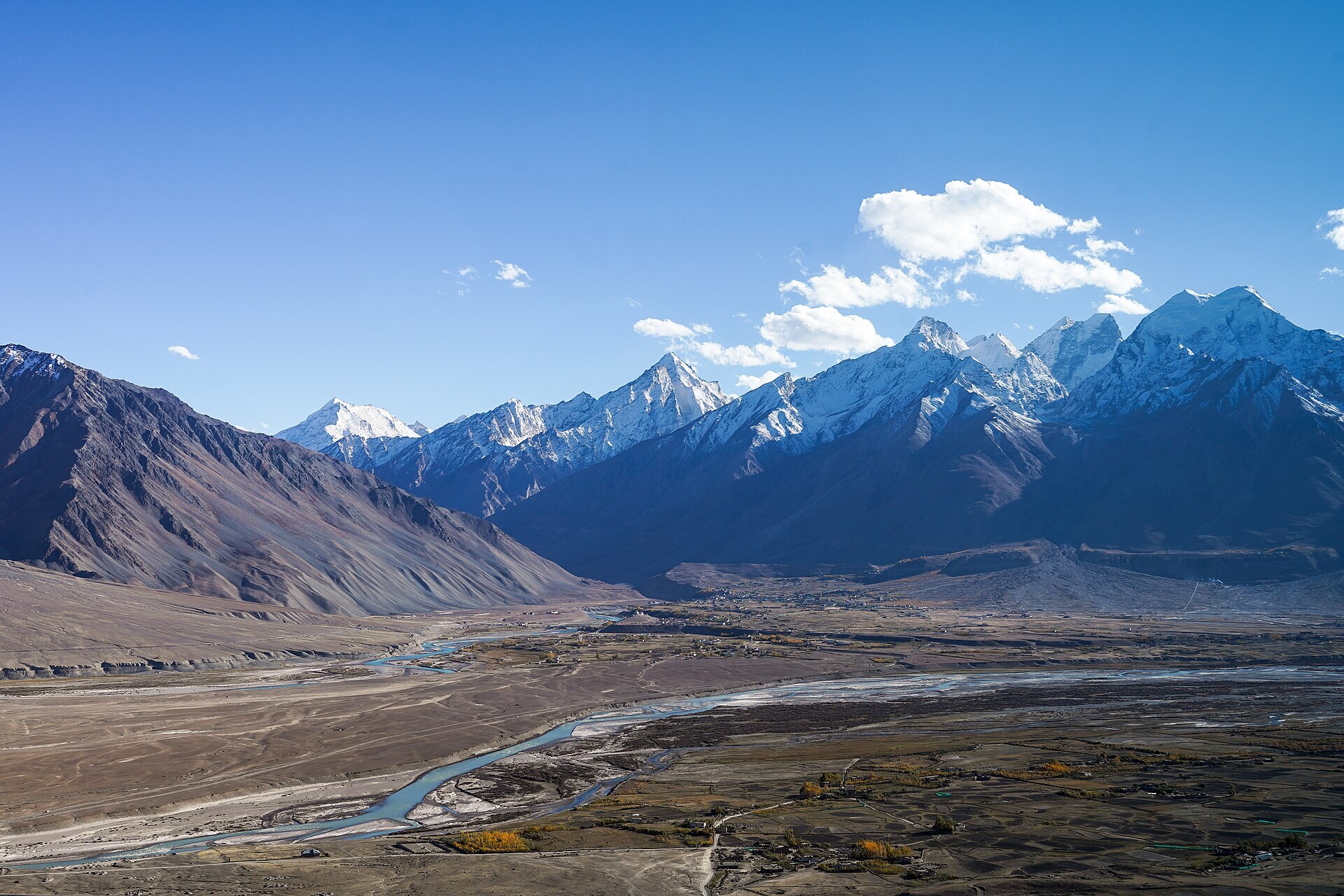
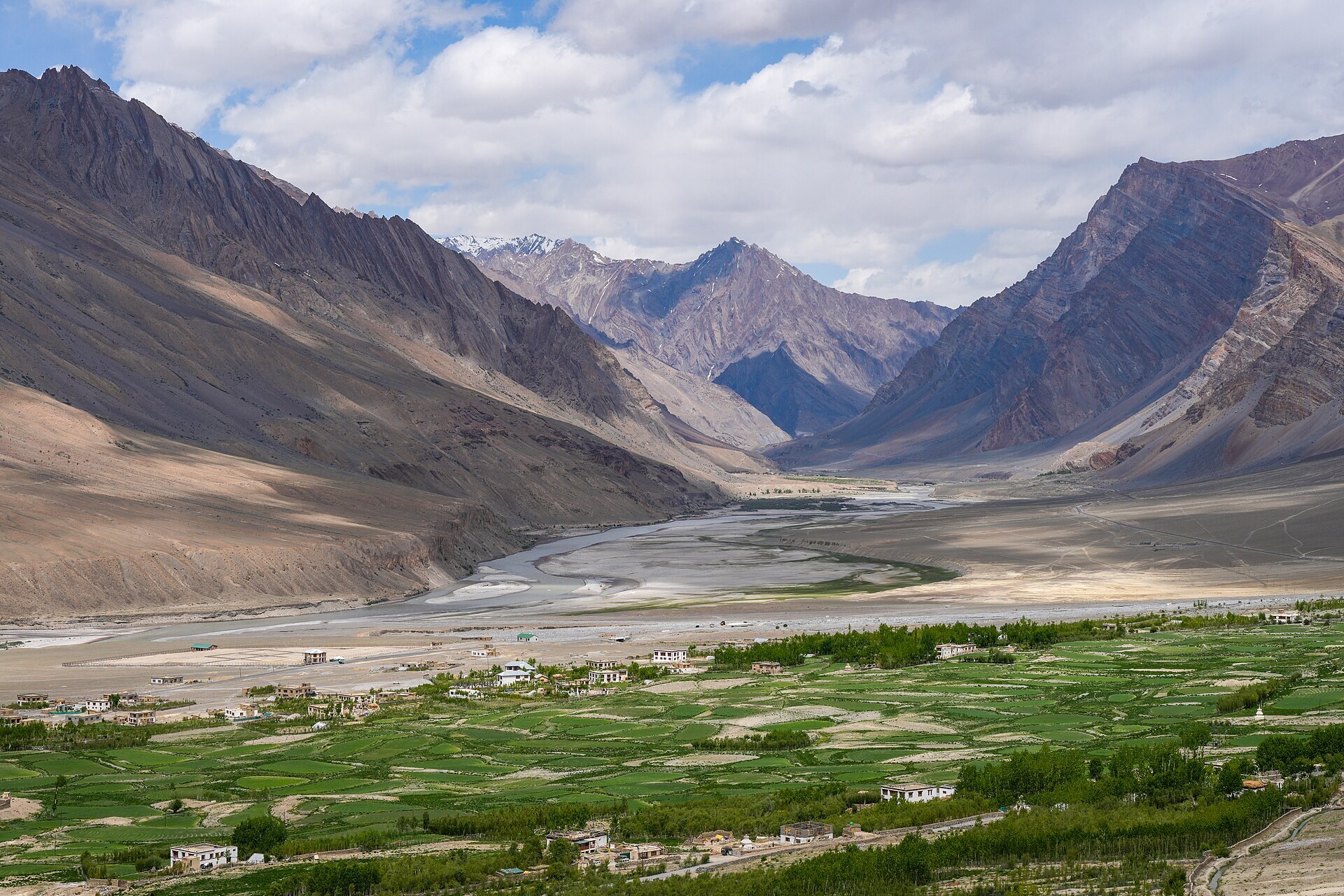
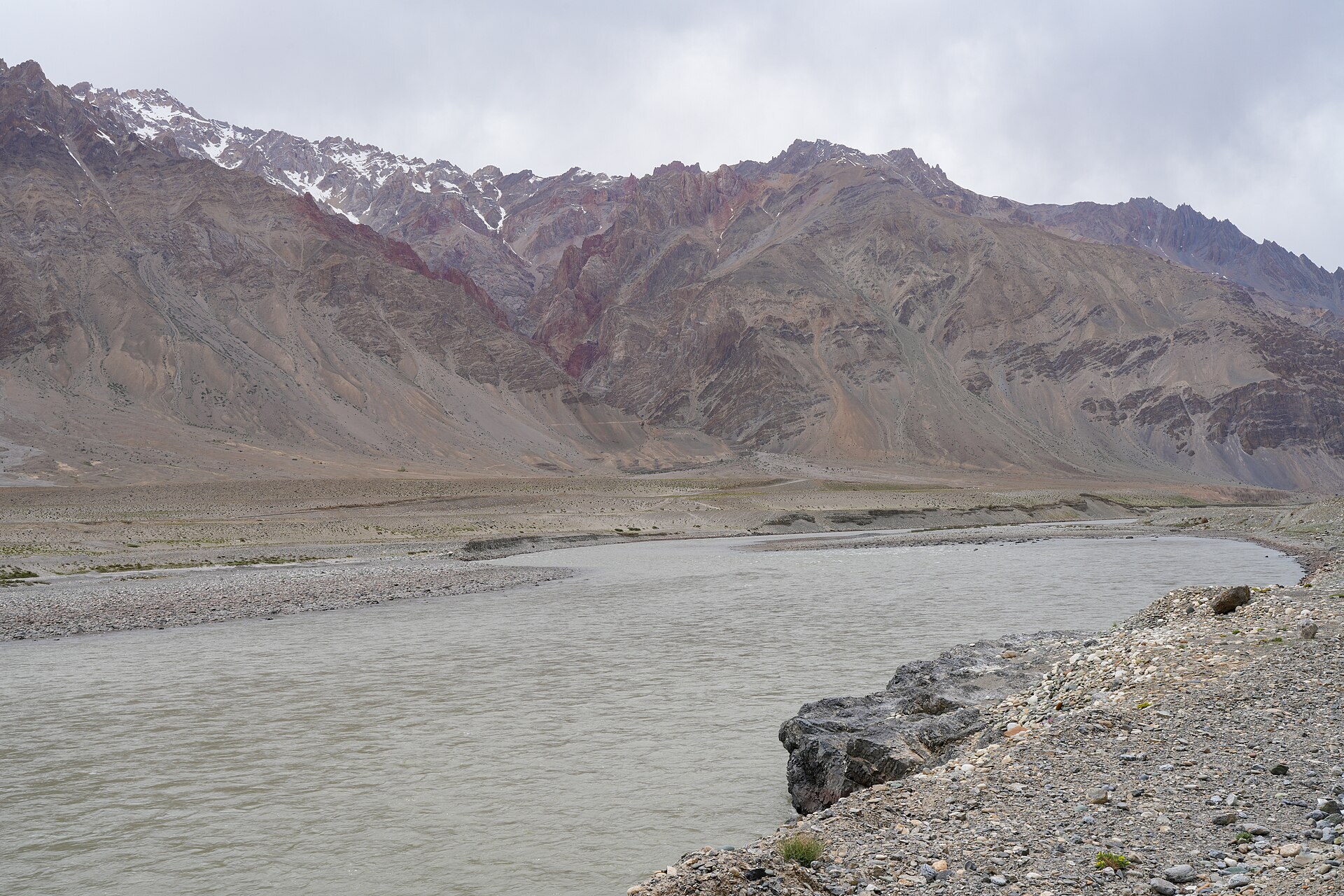
Zanskar is a Y of rivers between two Himalayan walls: the Stod and Tsarap meet at Padum, the drowsy capital, and flow north as the Zanskar through gorges to the Indus. Every side valley ends in a monastery, every green patch is barley defended by stone.
Altitude does the editing here: the valley floor runs 3,500-3,700 m, the passes top 4,400, and acclimatising in Leh first is not a suggestion.

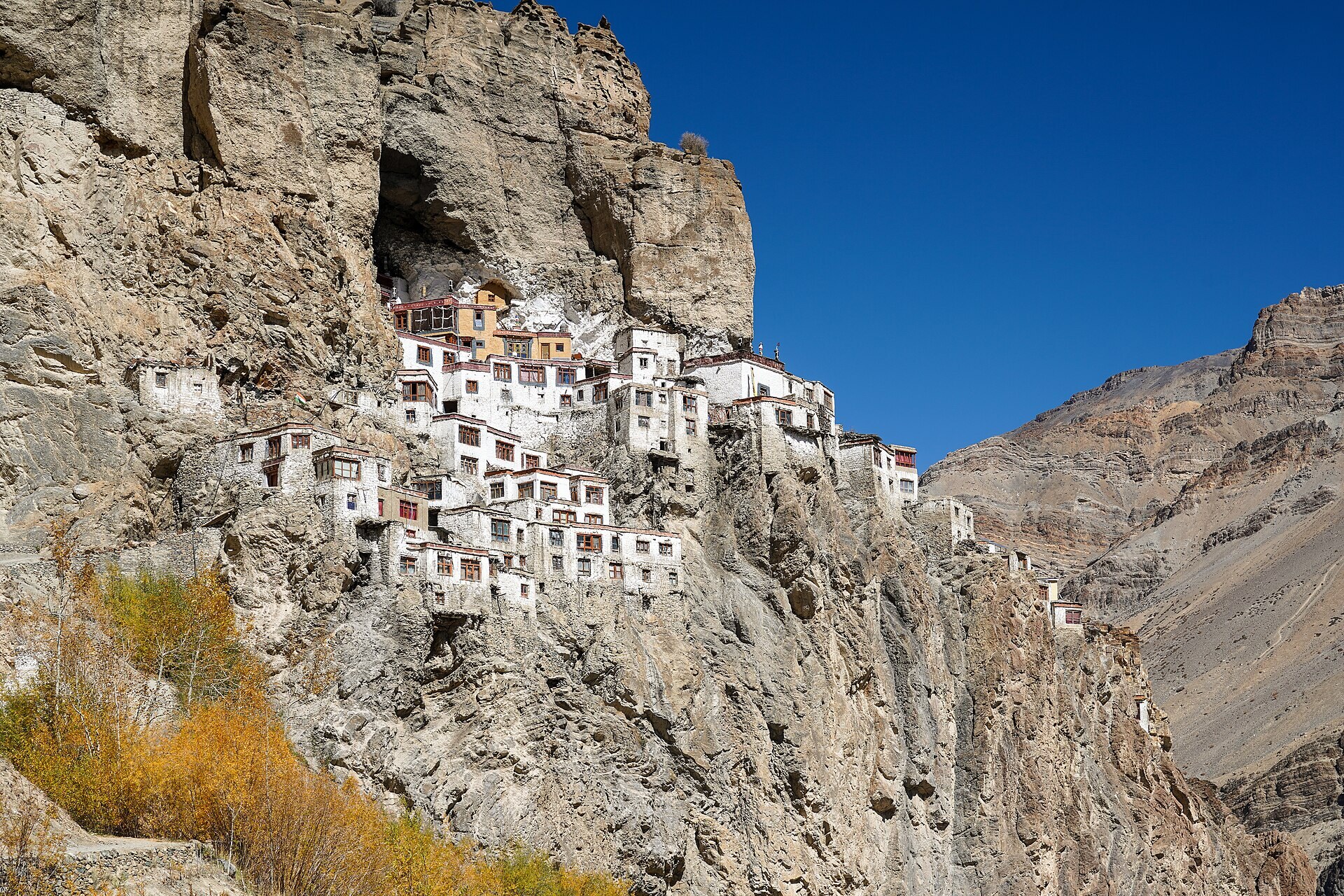
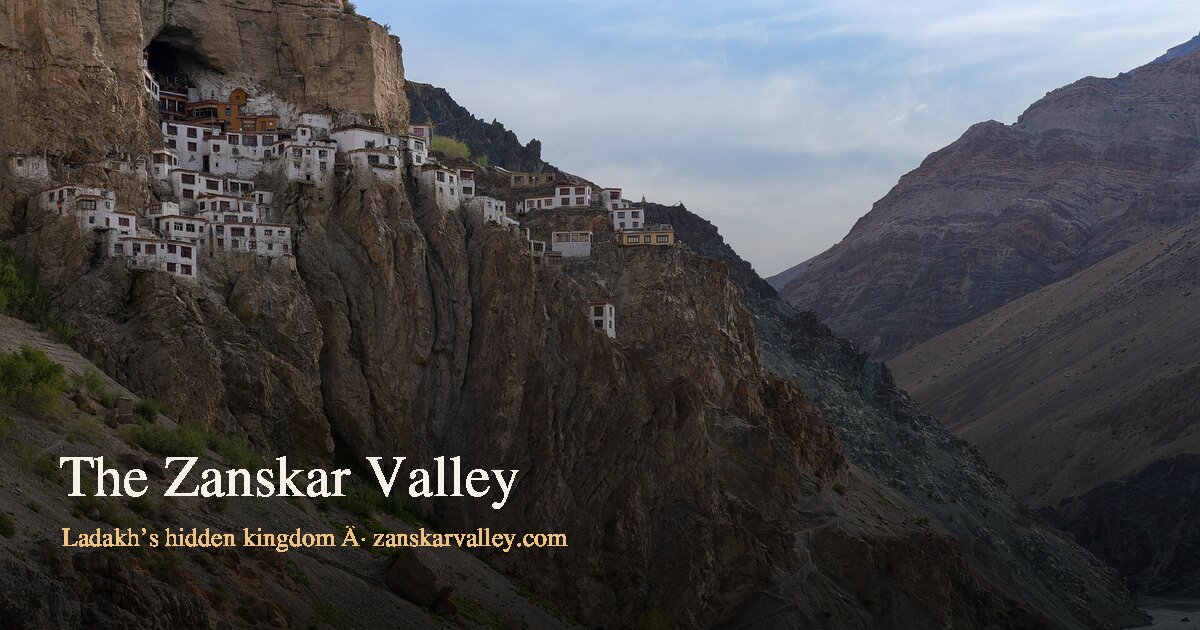
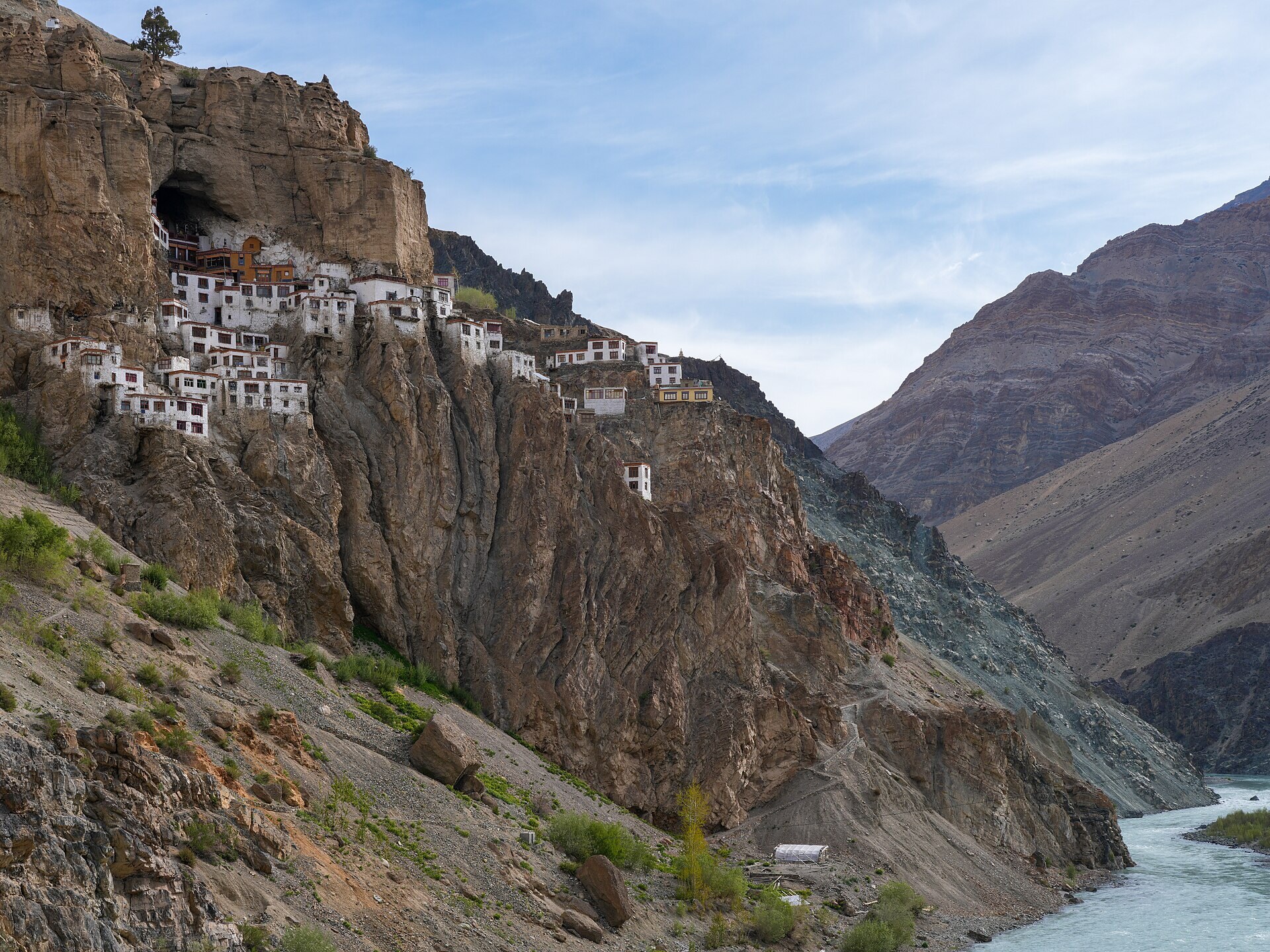
Twelfth-century cells spilling from a cave mouth above the Tsarap, still roadless: the last stretch is a gorge path, and the reward is butter tea with the monks who live in the cliff.

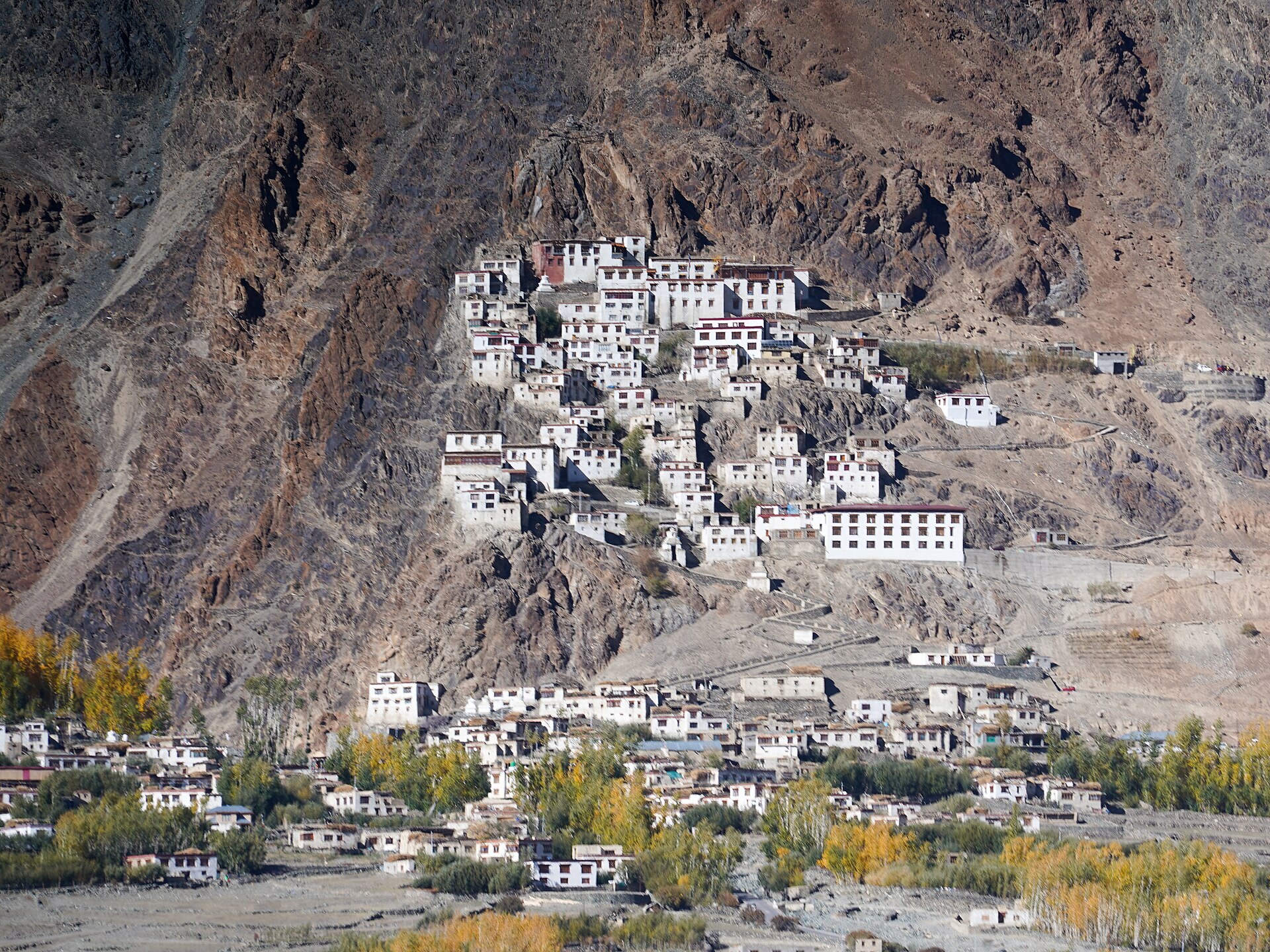
A hundred whitewashed cells climbing the rock face opposite Padum, morning puja open to quiet visitors, and the valley's best sunset terrace.

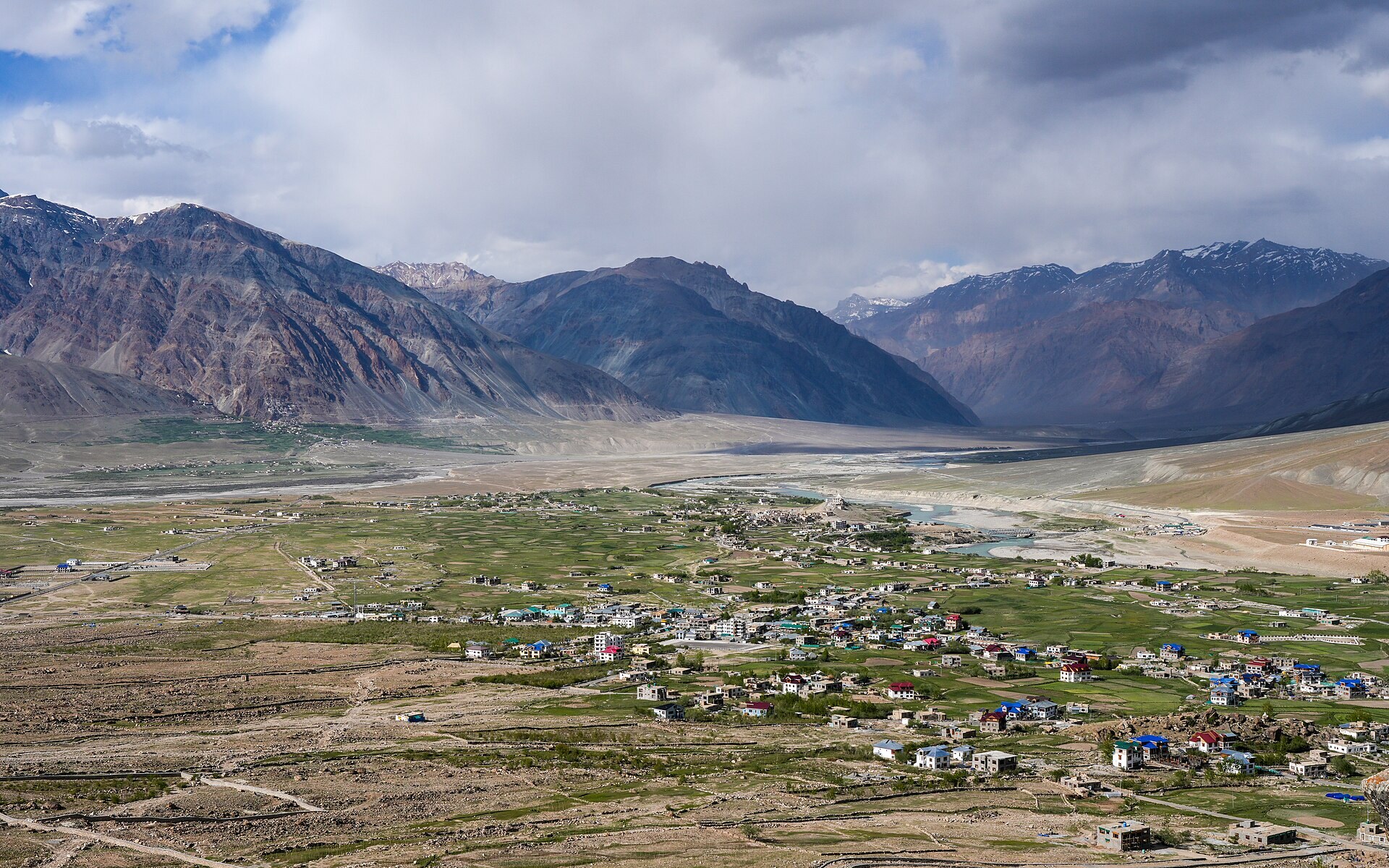
Guesthouses, a bazaar street, one old mosque and the valley's only fuel: Padum is base camp for everything, charmingly unbothered by its new importance.

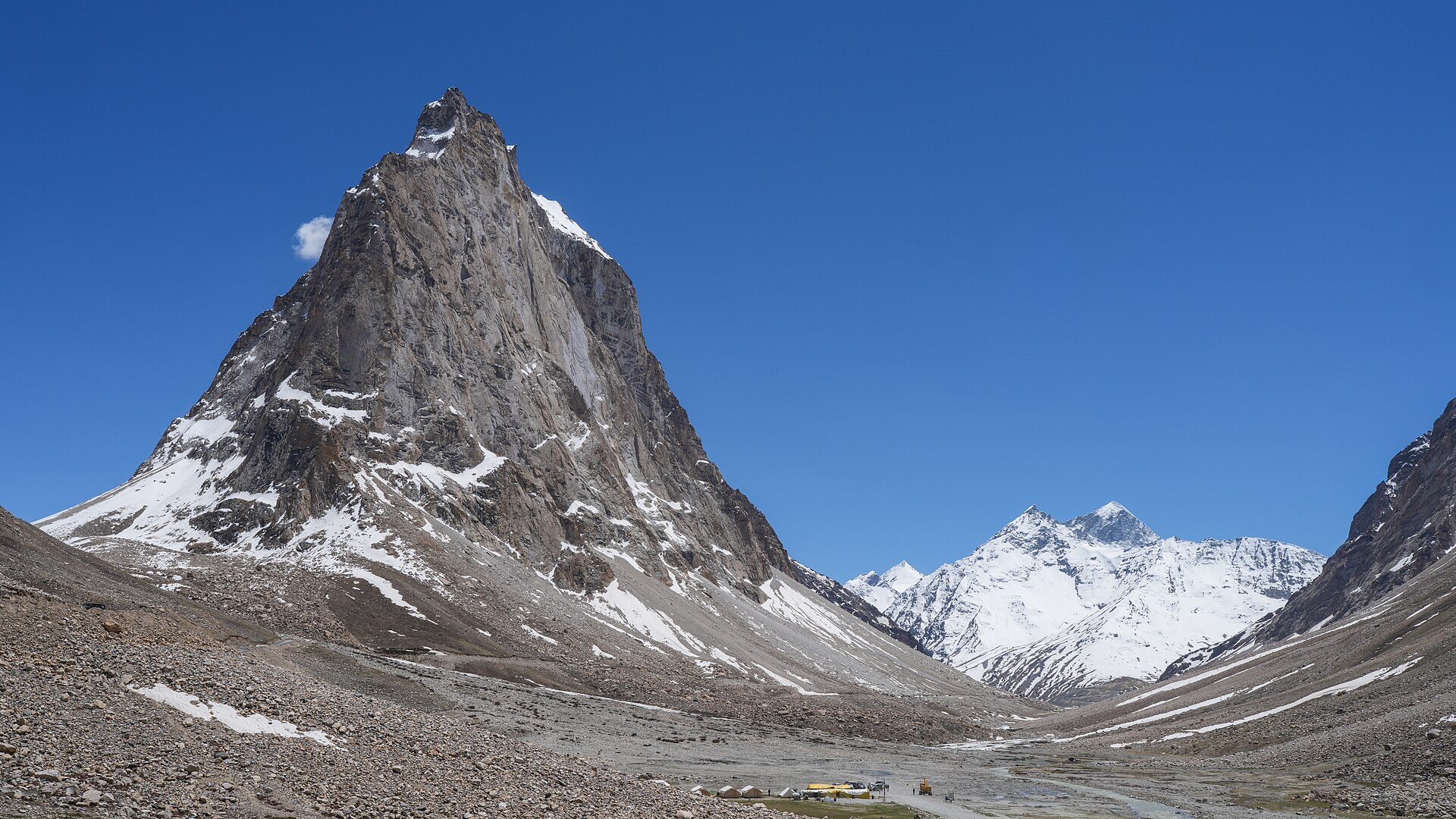
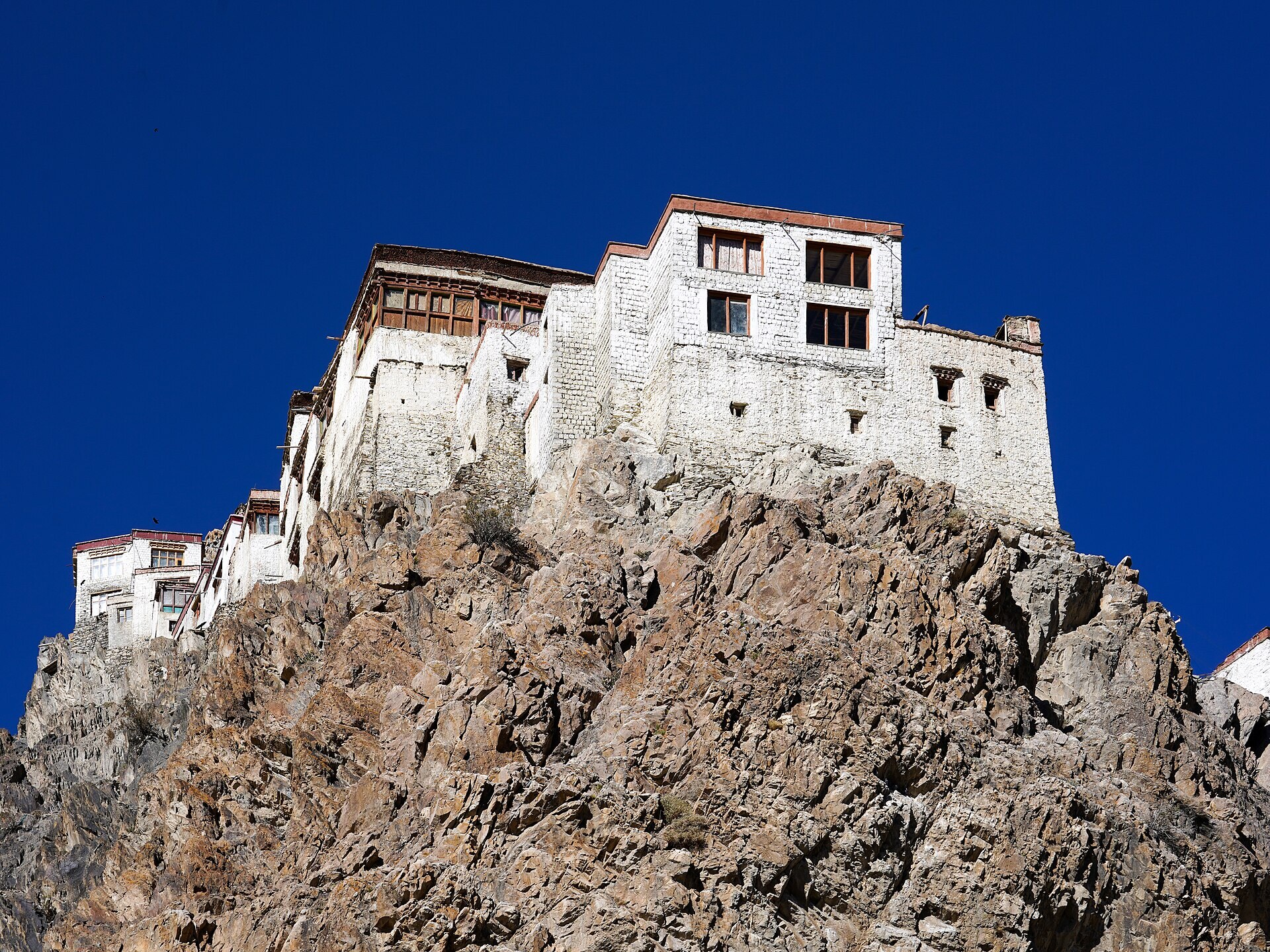
On the new Shinku La road from Darcha, a lone granite cathedral rises from the valley floor: sacred to pilgrims, jaw-dropping to drivers, and suddenly on every Zanskar itinerary.

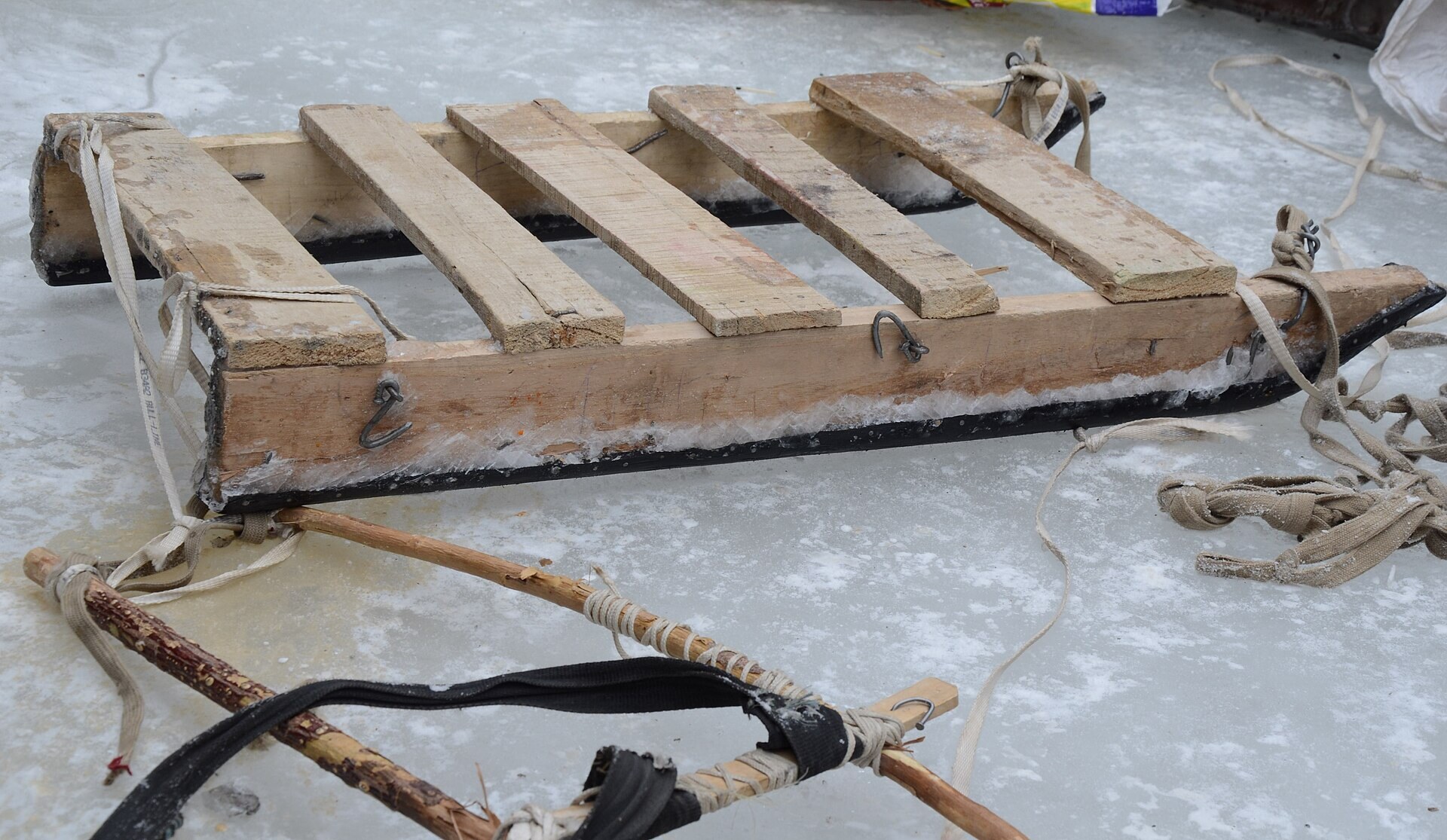
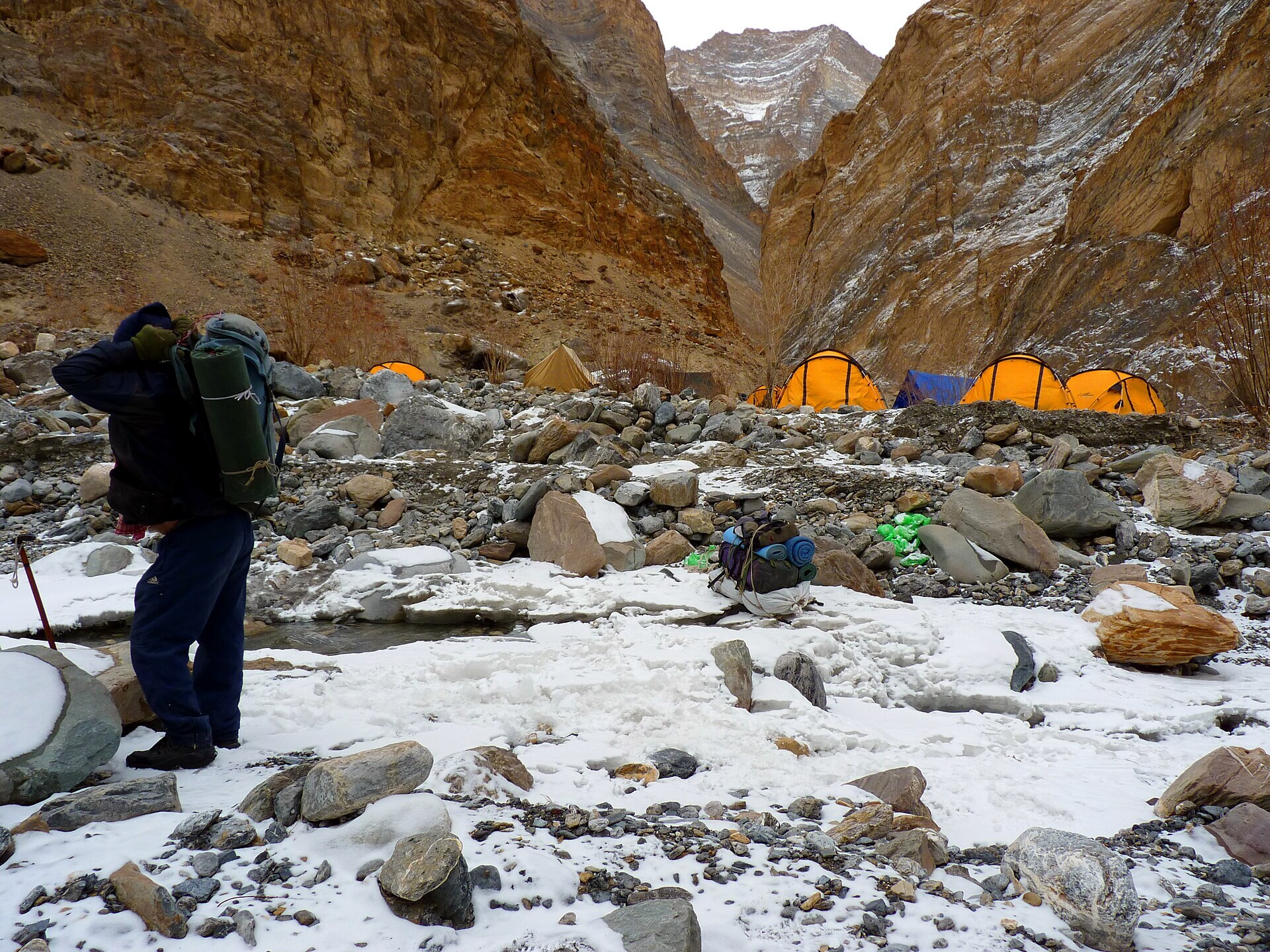
For centuries Zanskaris walked out over the frozen river each winter, sleds behind them. The trek version survives, permit-bound and climate-squeezed: go informed, or honour it from the summer trail above.

Downriver from Padum, a castle ruin, a nunnery and barley terraces where Zanskar's second royal line held court: the gentlest afternoon drive in the valley.
Zanskar logistics are beautifully simple: two summer roads, a short green season, and the frozen river for the brave months. Everything else is weather reports.
The northern route from Kargil sweeps up the Suru valley under Nun-Kun's 7,000ers, crests Penzi La beside the Drang-Drung glacier, and descends the Stod to Padum. The grand scenic entrance.
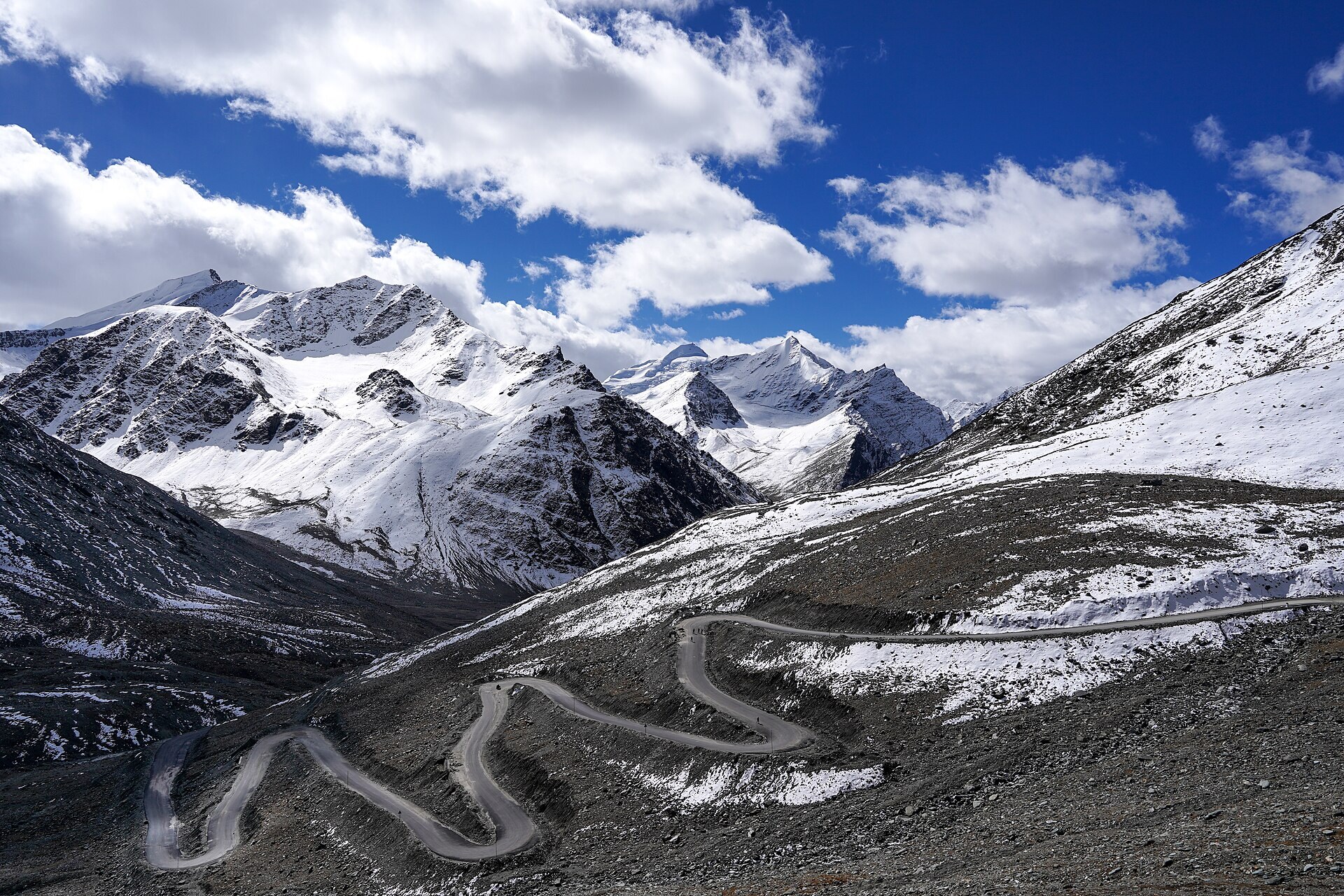
The new southern road past Gonbo Rangjon has stitched Zanskar to the Manali-Leh highway, with a tunnel planned to make it all-season. It is rewriting the valley's economy in real time; drive it while it still feels like a secret.
Licensed operators, medical checks at Leh, shrinking ice windows: the frozen-river walk is stricter and shorter than its legend. The reward remains unlike anything else in the Himalaya.
Padum holds the guesthouses and the generator hours; villages like Purne, Karsha and Zangla offer homestays with butter tea included. Leh remains the acclimatisation base and flight hinge for every plan.
Practical pieces with the passes actually crossed and the butter tea actually drunk. New entries twice a week.

What to eat in Zanskar Valley: skyu, thukpa, butter tea and barley staples, where homestays serve them, and how altitude should shape your appetite.

Inner Line Permit rules for Zanskar explained: who needs one, where to apply, costs, documents, and the checkpoints that actually check.

How to reach Zanskar Valley from Delhi: flight to Leh or Kargil, road via Kargil-Padum or Manali-Darcha, timings, costs and acclimatisation notes.

When to visit Zanskar: road windows, trekking months, the winter Chadar, and festival dates, with altitude and acclimatisation built into the plan.

A practical comparison of Padum guesthouses, village homestays and monastery stays in Zanskar, with prices, seasons and booking advice.

A practical guide to the Rangdum, Karsha and Stongde monasteries in Zanskar: dates, altitudes, driving times and how to pace the circuit sensibly.

One week, two regions. A factual comparison of Zanskar and central Ladakh, with road times, altitude notes, and a workable split itinerary.

A factual guide to the Kargil-Padum road: distance, driving time, seasonal closures, surface conditions, and what the new route means for Zanskar.

Is the Chadar trek still walked, and why. A factual status update on Zanskar's frozen river route as the new road changes its purpose and its traffic.

A factual trekking guide to Phugtal Monastery, Zanskar: the trailhead at Purne, walk-in distances, altitude, monastery dates and the new road's effect.
Timothy A. Gonsalves, CC BY-SA 4.0The grand loop via Kargil and Shinku La, village by village, pass by pass.

Trailheads, homestays at Purne, and the monastery's guesthouse etiquette.

What remains of the frozen-river trek, and how to do it without kidding yourself.
Summer roads only: Kargil-Penzi La-Padum from the north, or the new Darcha-Shinku La road from the Manali side. Fly to Leh first, acclimatise two days, then drive in; local drivers know the water crossings' moods.
Drive up the Tsarap to the latest roadhead near Purne, then walk the gorge trail: a few hours round trip, spectacular and non-technical. Homestays at Purne make it an easy overnight.
Most winters yes, under permit with licensed Leh operators, medical checks and a shrinking January-February window. Climate and the new road are changing it fast; verify current status before building a trip around it.
Mid-June to mid-October for roads and gompas; July-August greenest. Passes close with the first big snow. Winter is Chadar territory and minus-25 nights.
Valley floor 3,500 m+: acclimatise in Leh, hydrate, climb slow. Expect patchy mobile signal, cash-only villages, and generator-hour electricity: part nuisance, mostly the point.