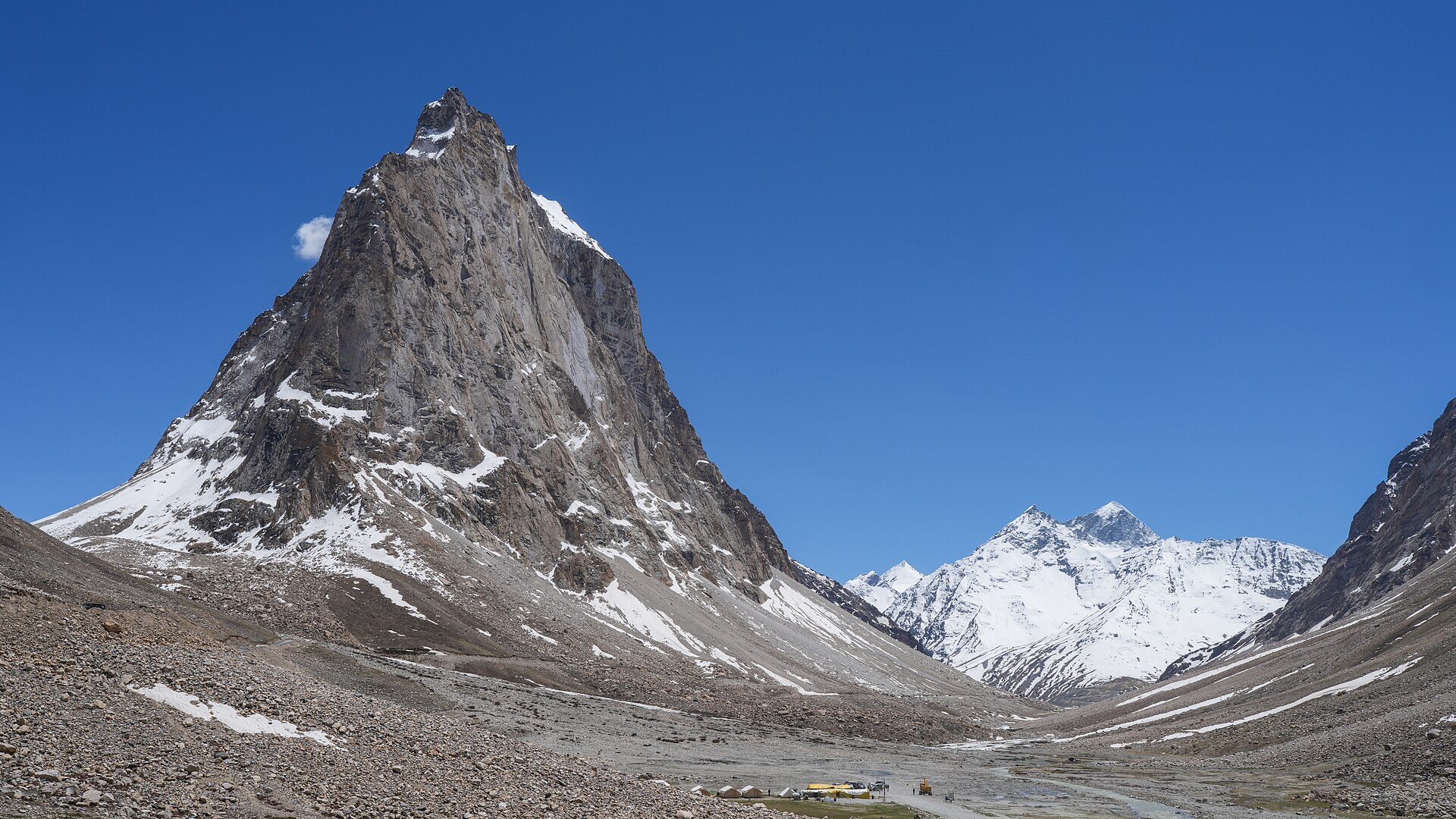
Zanskar does not have a hotel district. What it has is a small, scattered supply of guesthouses in Padum, a growing network of family homestays along the valley floor, a handful of monasteries that will put up a respectful visitor, and tented camps that fill the gap in high summer. Choosing between them is less about comfort and more about where you want to wake up, how much you want to talk to anyone, and whether you are still acclimatising. That last point matters more than the state of the mattress: Padum sits near 3,900 metres, and several villages on the gompa circuit are higher still. Plan your first nights around altitude, not scenery.
Padum: the base with the most options
Padum is Zanskar's administrative town and the only place with a real concentration of guesthouses, a few basic hotels, shops, and a fuel pump. Rooms run from simple (shared bathroom, solar hot water on a good day) to a step up with attached bathrooms and generator backup in the evening. Expect roughly USD 10 to 25 a night in peak season (July to early September), less in the shoulder weeks. Padum suits travellers who arrived via the new road and need a first night to settle before anything else, those planning day trips on the gompa circuit of Zanskar, and anyone waiting out a weather delay on a flight or jeep connection. Wifi is patchy and should not be relied on. Book ahead only in the first half of August, when the valley's short tourist season peaks; outside that, arriving and asking around still works.
Village homestays: the valley's real character
Homestays in villages such as those along the Stod and Lungnak rivers are run by families, usually one or two rooms set aside in a traditional mud-brick house, with meals taken together. Expect USD 15 to 25 a night including dinner and breakfast, often arranged through a village homestay association rather than an individual booking platform. These stays suit travellers who want contact with Zanskari daily life, trekkers breaking up the approach to Phugtal Monastery before the final walk, and anyone who finds Padum's small-town bustle more tiring than charming. The trade-off is predictability: there is no front desk, no fixed check-in time, and bathroom facilities are basic, often a dry toilet outside. Homestays rarely need advance booking outside peak trekking weeks, but confirm with a local guide or agency if you are arriving late in the day, since not every house has a room free on short notice.
Monastery guesthouses: close to the gompa circuit
A few monasteries, particularly larger ones on the main road, keep a small guest room or two for travellers, usually a bare cell with a shared outdoor tap rather than anything styled as a guesthouse. These are not bookable in advance in any formal sense; you ask at the gate, offer a reasonable donation (often USD 5 to 10, sometimes just a contribution to the kitchen), and accept whatever space is free. This option suits travellers on a tight gompa-focused itinerary who want to be on site for the early morning prayers, and those comfortable with genuinely minimal facilities. It does not suit anyone needing privacy, a reliable bed count for a group, or a fallback if the monastery says no, which happens. Treat it as a bonus option layered onto a homestay or Padum-based plan, not a primary strategy.
Whatever you choose for a first or second night, keep it low and unhurried. Padum and the main valley floor sit around 3,900 metres; pushing straight to a higher village or trailhead before a rest day is the most common cause of altitude trouble reported by travellers here.
Tented camps: a summer-only layer
Between June and September, seasonal tented camps appear near Padum and at a few points along the road, aimed at travellers who want a private tent with a proper bed rather than a shared guesthouse room. Prices sit higher, roughly USD 30 to 60 a night, generally including meals, and these camps dismantle completely once the season ends, so they are irrelevant for shoulder-season or Chadar-season planning. They suit travellers who prefer privacy and a consistent standard over character, and those travelling as a couple or small group who want to avoid dorm-style sharing. Book these ahead if your trip falls in late July or early August, when both road traffic and trekking groups peak together.
Matching the stay to the trip
If your route is the overland approach described in our Leh to Padum road trip guide, a Padum guesthouse for the arrival night followed by homestays as you move through villages gives the most flexibility. If you are splitting a short trip between Zanskar and the capital, as covered in our piece on dividing a one-week trip, concentrate your nights in Padum and one or two homestays rather than spreading thin. Winter changes everything: during the Chadar season, accommodation options narrow to a few heated guesthouses in Padum and basic camps along the ice route itself, and comfort expectations should drop accordingly, as our guide on the ice walk in the road era makes clear.
Practical picks
For a first-time visitor prioritising comfort and reliable logistics: a Padum guesthouse, upgraded where possible to attached bathroom and generator access. For a traveller who wants the valley's social fabric and can handle basic plumbing: village homestays strung along the main route. For a dedicated gompa pilgrim with a flexible schedule and low expectations: a monastery guest room, treated as an occasional extra rather than a plan. For a couple or small group travelling in peak summer who value privacy: a tented camp, booked at least a few weeks ahead. None of these require sleeping on board a vehicle or waiting at a transit point; Zanskar's accommodation, thin as it is, covers the whole route if arranged a day or two in advance.