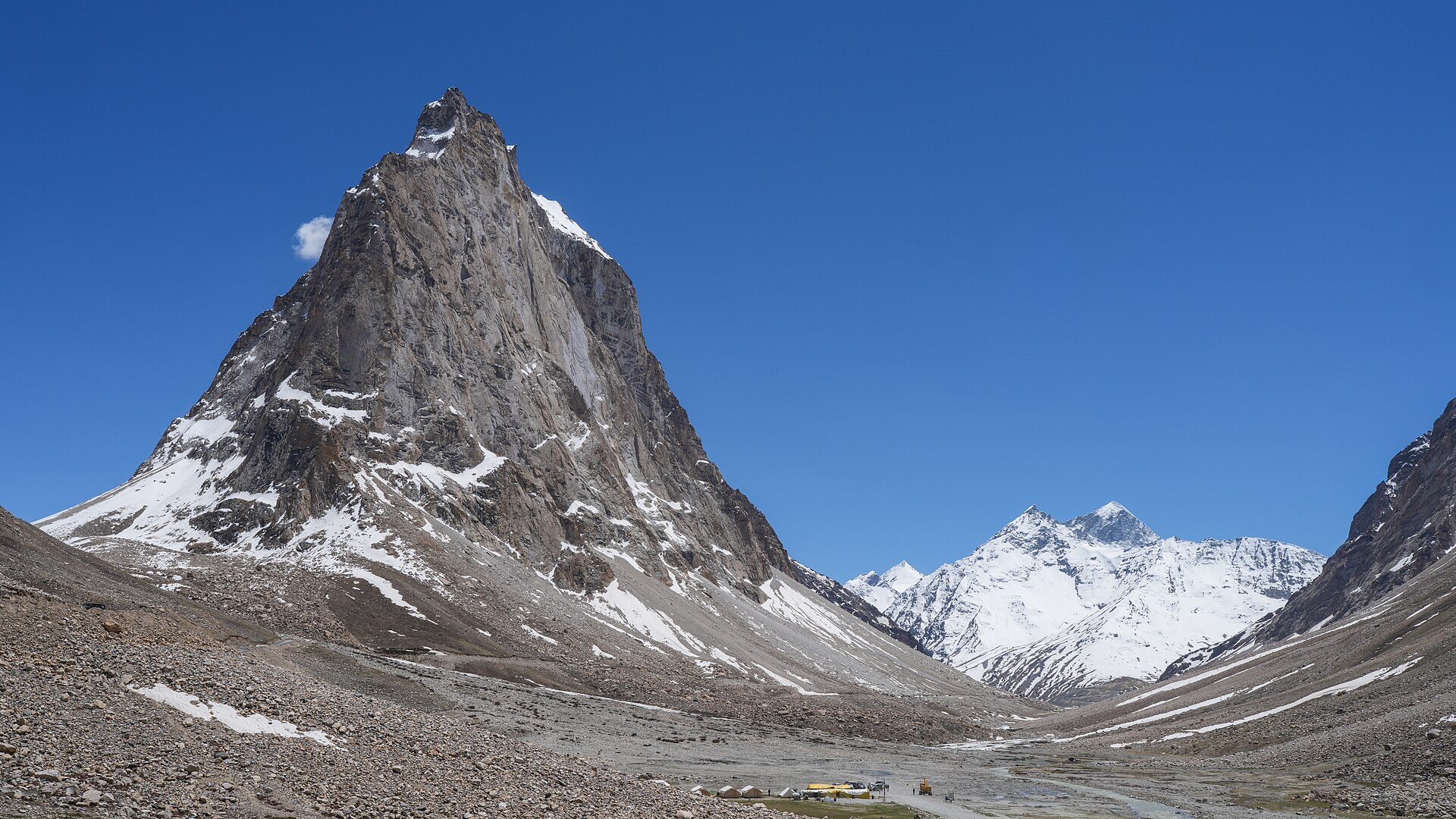
Most travellers land in Leh with a week to spend and a map that makes Zanskar look like a short detour from central Ladakh. It is not. The two areas reward different paces: central Ladakh is a circuit of palaces, lakes, and monasteries reachable by day trips from Leh, while Zanskar is a slower, harder-won valley that until 2023 required a two-day drive or a winter walk across the frozen Zanskar river, the Chadar. Deciding how to split your days starts with being honest about what each place asks of you.
Central Ladakh: the compact option
Leh sits at 3,500 metres, and most of the classic sights, Thiksey monastery (founded in the 15th century), Hemis (17th century, host to the summer masked-dance festival), Pangong Tso, and the Nubra valley via Khardung La, are reachable on day trips of two to five hours each way. A traveller with six or seven days in central Ladakh alone can comfortably see Leh's old town, two or three monasteries, Pangong Tso overnight, and Nubra overnight, with two days built in for acclimatisation before any drive above 4,000 metres. Road conditions here are generally good, sealed in most stretches, and taxi unions set fixed fares that you can check at the Leh taxi stand before booking.
Zanskar: what the new road changed
The Zanskar road from Kargil via Padum used to take twelve to sixteen hours in good conditions, longer after rain or snowfall damage. A newer approach from Nimmu, near Leh, via the Zanskar-Nimmu road through Lingshed, has cut travel time in places, though sections remain unpaved and subject to closure after landslides. Check the day's schedule with a local operator before committing, since conditions change through the season. Zanskar opens by road roughly from mid-May to late October; outside that window, the only land route in or out is the Chadar, now a regulated trek rather than a casual option, and one that carries real risk from thin ice and sub-zero nights. The valley's main draw, Padum and the monasteries around it including Karsha (one of the largest in Zanskar, dated to the 11th century) and Phugtal (built into a cliff, accessible only on foot), rewards travellers who can give it four to five days minimum, not a rushed loop.
The altitude math that decides everything
Zanskar's valley floor sits around 3,600 to 4,000 metres, similar to Leh, but getting there by road crosses high passes, some over 4,400 metres, before you have acclimatised if you arrive straight from lowland India or abroad. The standard medical advice, two full days of rest in Leh above 3,500 metres before any further ascent, is not optional here: altitude sickness risk rises sharply above 3,000 metres regardless of fitness. This is why most sensible one-week itineraries treat Leh acclimatisation as day one and two, non-negotiable, before deciding whether the remaining four or five days go toward central Ladakh's shorter loops or Zanskar's longer commitment.
Days 1-2: Leh acclimatisation, short walks only. Days 3-4: central Ladakh (Pangong Tso or Nubra, pick one, not both). Days 5-7: Zanskar is only realistic if the road is open and you accept two full driving days for one or two days on the ground in Padum. If that trade feels too tight, stay in central Ladakh and save Zanskar for a trip of ten days or more.
Combining both in seven days: is it worth it
Technically possible if the Nimmu-Padum road is running without delays, but the arithmetic is unforgiving: two days to Padum and back by the shorter route still eats most of a week, leaving perhaps one full day to see Karsha monastery and walk through Padum's bazaar. Phugtal, the valley's most photographed monastery, requires a one- to two-day trek each way from the nearest roadhead and is simply off the table on a seven-day combined trip. Travellers who try to do both regions properly in one week usually end up seeing neither well, exhausted by driving rather than absorbed by either place. A more honest seven-day plan picks one region and goes deeper: either the lakes-and-monasteries circuit of central Ladakh, or a focused four-to-five-day Zanskar visit with the travel days built in from the start.
If you have ten days or more
This is where the split stops being a compromise. Two days in Leh to acclimatise, two to three days covering central Ladakh's highlights, then four to five days in Zanskar including a rest day in Padum and a trip out to either Karsha or a shorter approach toward Phugtal, becomes workable without rushing. Travellers heading into Zanskar in shoulder season, May or late September into October, should budget extra days as contingency: unpaved sections of the road are more likely to close briefly after rain in these months, and local buses and shared taxis running the route can be delayed by a day without much warning.
What to book and when
Inner Line Permits are required for parts of this region and are typically arranged through a registered local agent in Leh, a process that takes a few hours to a day; carry physical copies, as checkpoints along the Zanskar road and toward Pangong Tso do check them. Guesthouse beds in Padum are limited outside peak season, so confirming a room a day or two ahead during July and August, the busiest months, is worth the effort. Road transport to Zanskar, whether shared jeep, bus, or private hire, is best booked the day before through a Leh-based operator who can confirm the current state of the route rather than relying on outdated information found online.