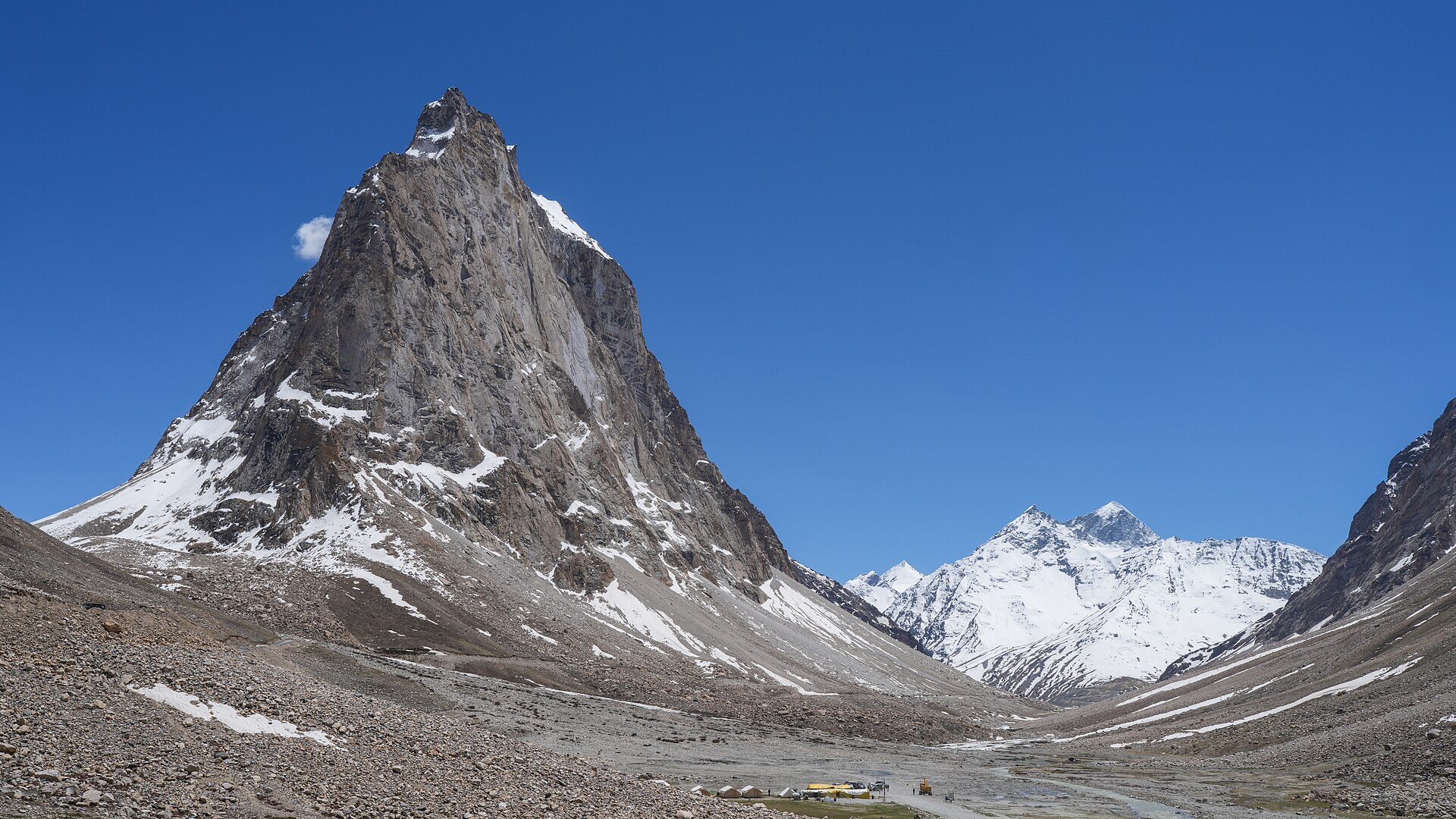
Zanskar lies within a zone of Ladakh classified as a Protected/Restricted Area under the Inner Line Permit (ILP) system, a legacy of its proximity to disputed borders. The rules sound bureaucratic from a distance, but on the ground they amount to a short online form, a modest fee, and a checkpoint stamp or two along the way. The confusion usually comes from mixing up who needs what: foreign nationals, Indian citizens, and residents of Jammu and Kashmir/Ladakh all fall under different categories, and the requirement has shifted more than once since Ladakh became a Union Territory in 2019. This guide lays out what applies now, as of recent seasons, with the caveat that rules in border areas can change with little notice: always confirm with the District Magistrate's office in Leh or Kargil before travel.
Who actually needs a permit
Indian citizens travelling to Zanskar do not need an Inner Line Permit for the main route through Padum, Karsha, and the standard gompa circuit. A simple Protected Area Permit is only triggered if you plan to go beyond certain line villages near the border, which is rare for standard itineraries. Foreign nationals, by contrast, require a Protected Area Permit (PAP) for parts of Ladakh including Zanskar's more sensitive stretches, typically issued for groups of two or more people rather than solo travellers, though this group-size rule is enforced inconsistently and worth checking directly with the Leh administration before you arrive. Citizens of a small number of countries face additional restrictions or outright exclusion from certain zones; this changes periodically, so check current lists rather than relying on older blog posts.
Where and how to apply
The practical route for most travellers is the Ladakh Tourism online portal, which issues e-permits for a standard fee (commonly in the range of 400 to 600 rupees per person, plus a small environmental fee), processed within a day when the system is working normally. In Leh, the District Commissioner's office handles applications directly, useful if the portal is down or if you need same-day issuance. In Kargil, which has its own administration now that Ladakh is a separate Union Territory, the process mirrors Leh's but with its own office and queue. If you are entering Zanskar via the Kargil to Padum route, it is worth applying in Kargil rather than carrying only a Leh-issued permit, since checkpoints sometimes expect the matching jurisdiction's paperwork.
Documents and timing
Bring passport-sized photos (digital copies work for the online form), a passport photocopy for foreigners or an Aadhaar/voter ID copy for Indians, and your visa details if applicable. Permits are usually valid for a fixed window, often seven days, extendable at the issuing office if your trip runs long. Apply at least one full day before you plan to cross a checkpoint; same-day issuance exists but is not guaranteed, particularly during the short July-to-September peak season when offices are busiest. If your route includes the Rangdum, Karsha, Stongde gompa circuit, note that Rangdum itself sits inside the restricted zone requiring the same permit, so do not assume the Kargil-side villages are exempt.
The main checkpoints are near Rangdum on the Kargil side and at Chilling or similar points on the Leh side, depending on the year's road status. Carry physical printouts, not just phone screenshots: some checkpoint staff still prefer paper, and battery or signal issues are common at altitude.
Permits and the altitude question
Because the permit system and the acclimatisation schedule often collide, plan them together. Many travellers arrive in Leh, rush a permit application, then push straight to Zanskar without the rest days their body needs. The Hidden Kingdom's first rule holds here: altitude in every plan, acclimatise, then move. Use the permit processing day as a built-in rest day in Leh or Kargil rather than an obstacle to rush past. If you are deciding between a full week in Zanskar or splitting time with central Ladakh, the permit logistics are one more factor; see how to split a one-week trip for a fuller comparison.
Special cases: Chadar, Phugtal, and trekking permits
Trekking routes add a layer. The Chadar trek, when conditions allow it, requires its own permit process plus a mandatory local guide in most seasons, a requirement that has tightened since the road reduced the trail's practical necessity; read what the Chadar actually involves now before assuming the old rules still apply. The walk to Phugtal Monastery generally falls under the standard Zanskar permit if you are travelling by the usual approach, but confirm locally if your route crosses into a more restricted sector near the border. Permits for group treks are sometimes bundled by trekking agencies registered in Leh or Kargil, which can simplify the paperwork considerably if you are not confident navigating the portal yourself.
What happens if you skip it
Checkpoints do turn back travellers without the correct permit, and this is not a rare occurrence used mainly as a scare tactic: staff at Rangdum and similar posts check documents against physical lists. Fines are possible but the bigger cost is time lost backtracking to Kargil or Leh to sort paperwork, which can derail a tight itinerary built around the road trip from Leh to Padum. Given the short window the road stays open each year, discussed in detail in the month-by-month guide, losing a day to a permit problem is a real setback, not a minor inconvenience.